News, engineering notes and stories from the Dadhivala Iron Craft team.
Hot-dip galvanizing protects steel from corrosion by coating it in zinc, and it is used on everything from pipes and transmission towers to highway crash barriers and solar mounting structures. For anyone planning, buying or running a galvanizing line, one number shapes almost every decision: how many tonnes the plant can process in a day.
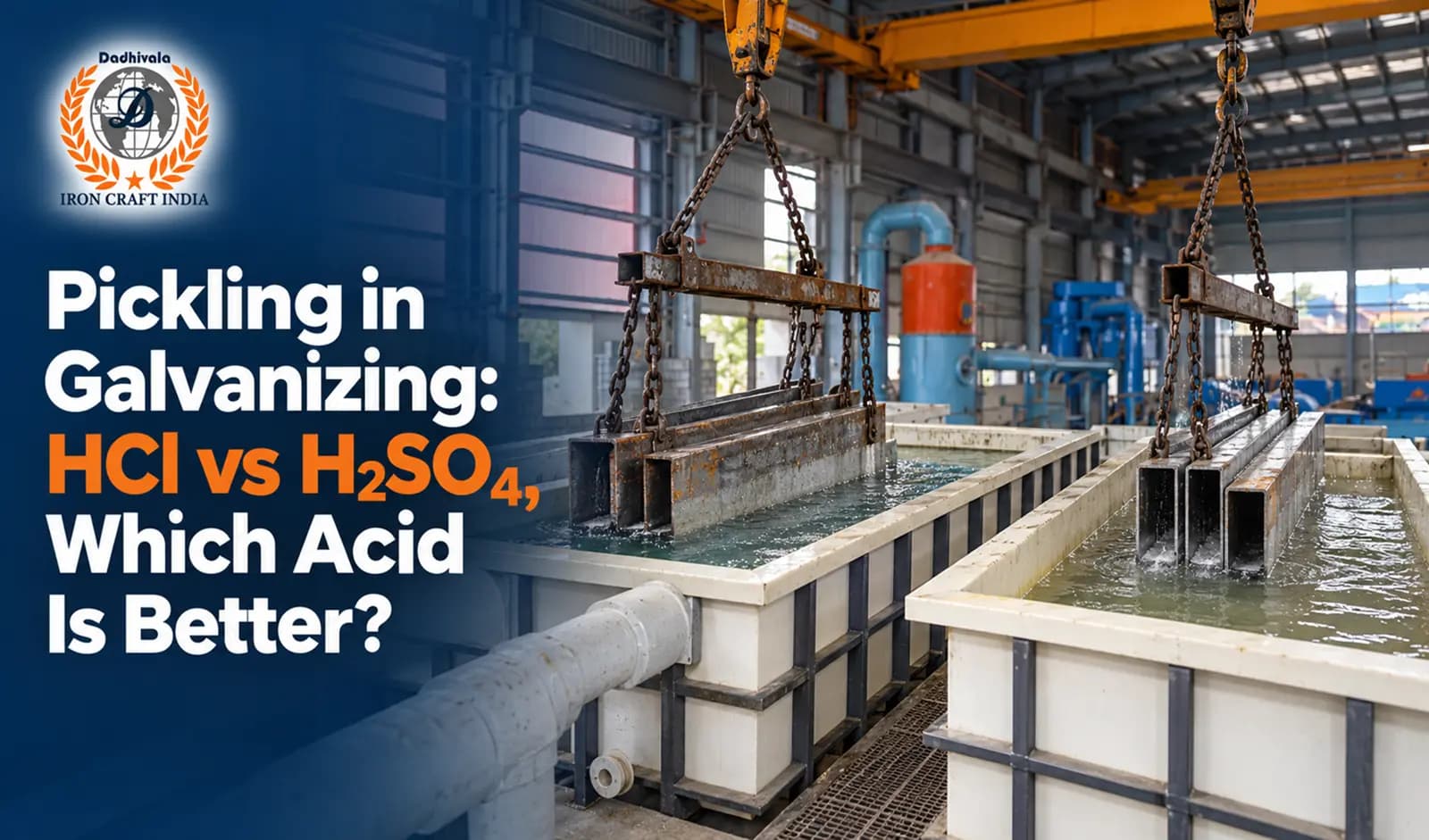
Pickling in galvanizing is the step where steel is dipped in acid to remove rust, mill scale and iron oxides before it goes into the zinc bath. Molten zinc reacts only with clean steel, so poor pickling leads to bare spots and weak coatings.
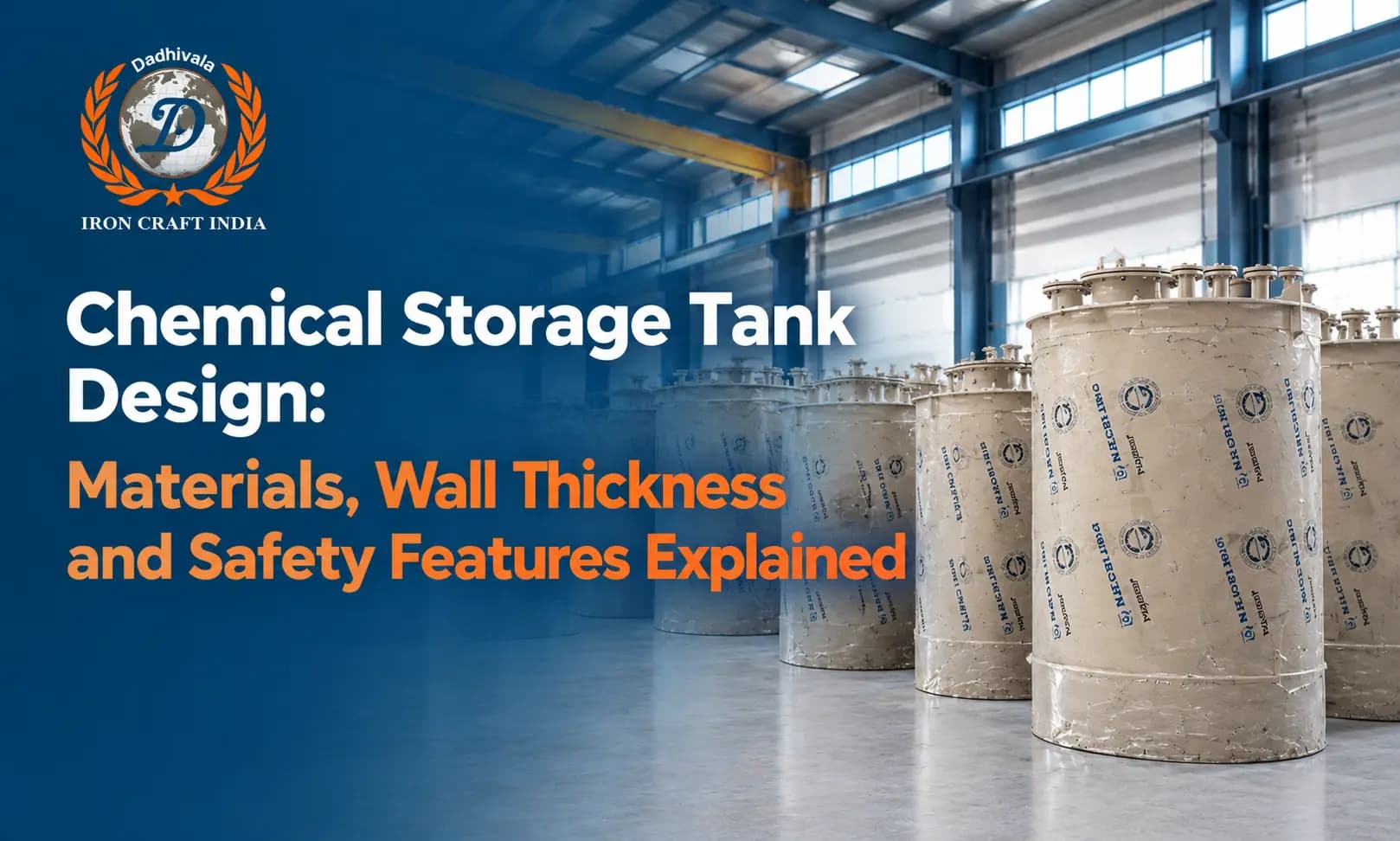
Chemical storage tank design is the process of matching a tank's material, wall thickness, shape and safety features to the chemical it will hold and the site it will sit on. A good design starts with five facts: the chemical and its concentration, operating temperature, required volume, indoor or outdoor location, and the regulations that apply. Get these right and the tank lasts. Get one wrong and you get leaks, failed audits and unplanned shutdowns.
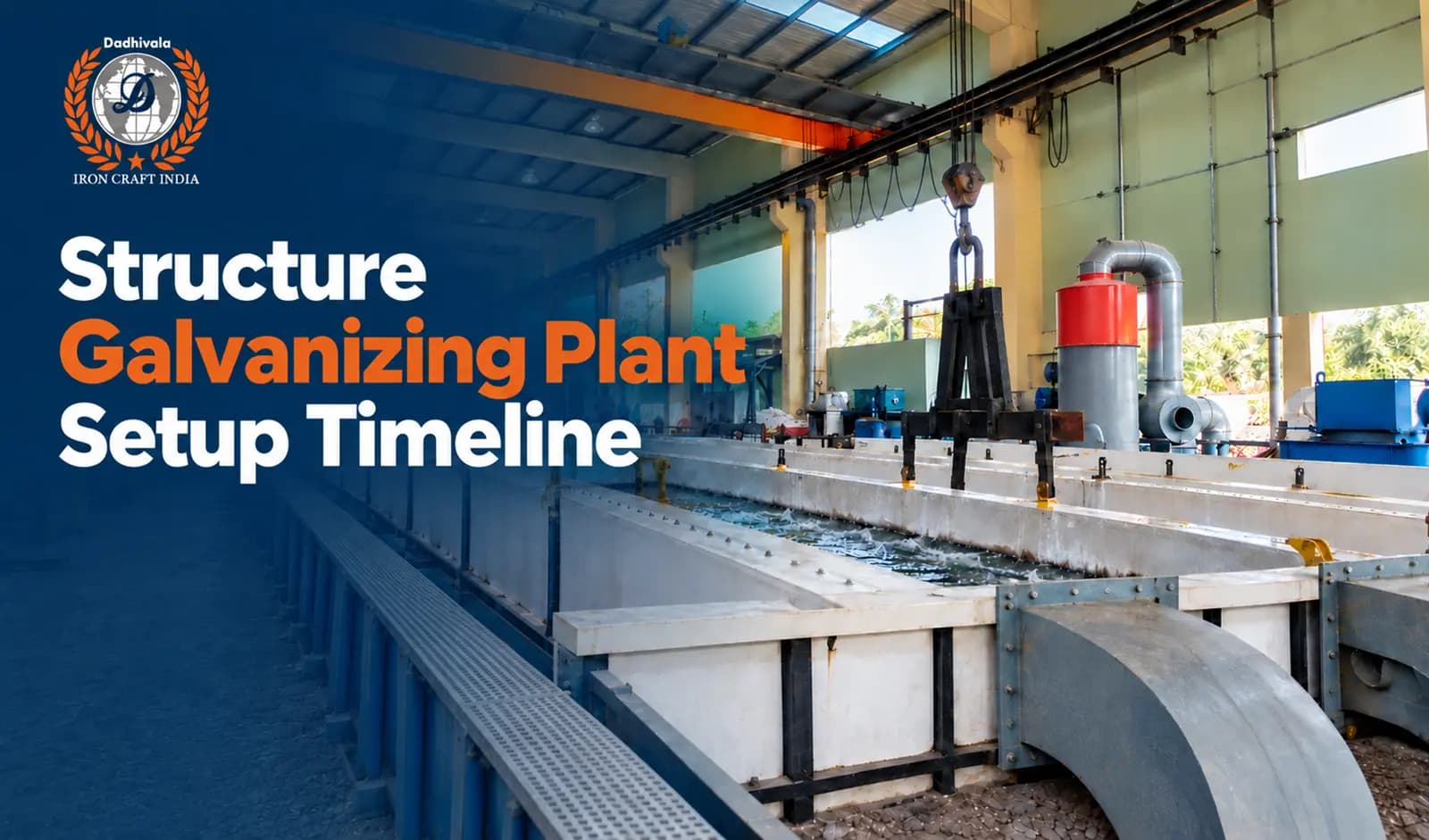
A turnkey structure galvanizing plant typically takes about 9-12 months to set up - from feasibility study and site planning to civil work, equipment installation, commissioning and trial production. The exact timeline depends on plant capacity, kettle size, equipment lead times, approvals and site readiness. Because several stages run in parallel, good project coordination is what keeps the schedule to the shorter end of that range.
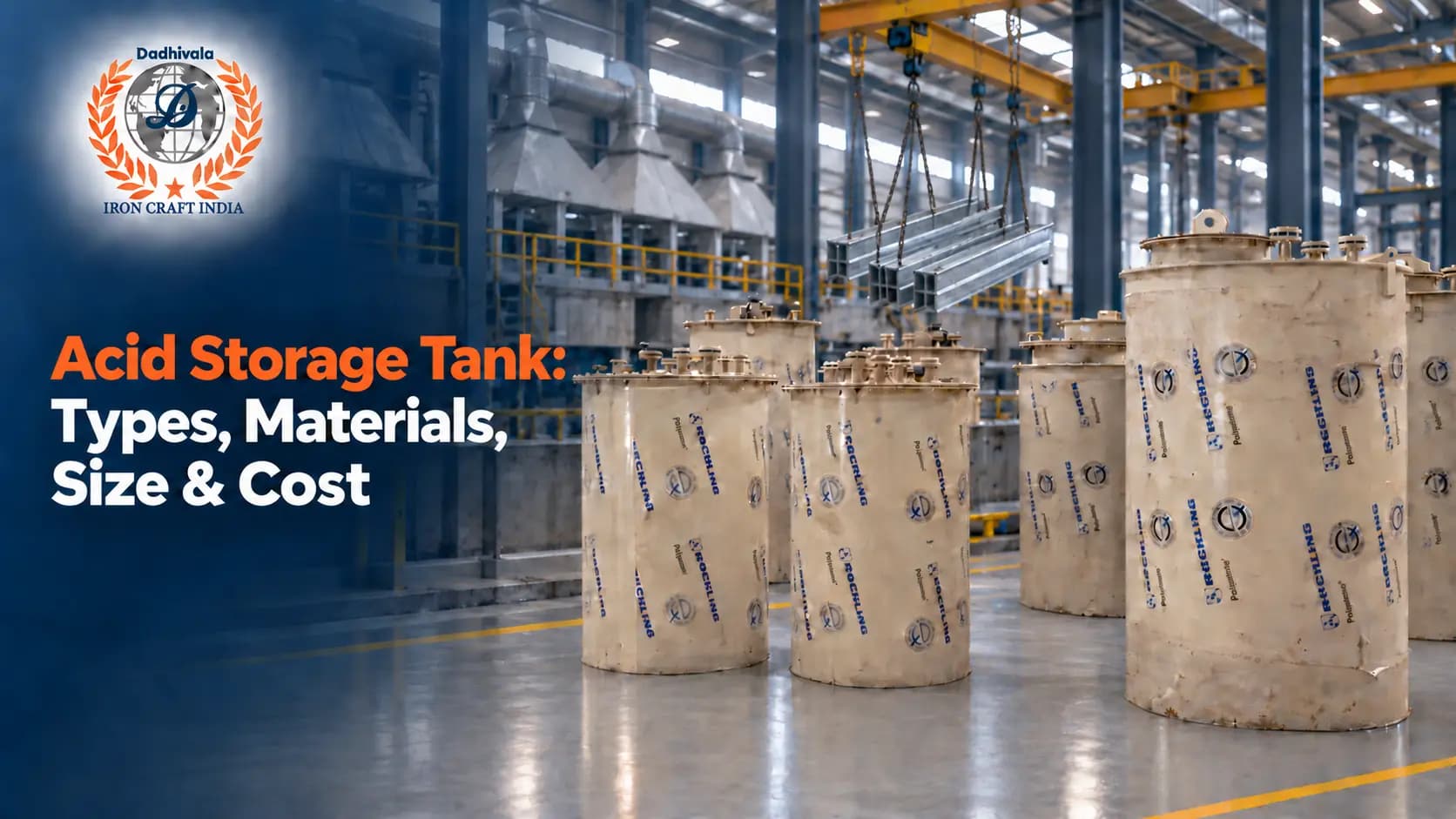
Choosing an acid storage tank looks simple until something goes wrong. A tank that is fine for dilute hydrochloric acid can fail within months on concentrated sulfuric, and a tank without proper containment can turn a small leak into a shutdown.
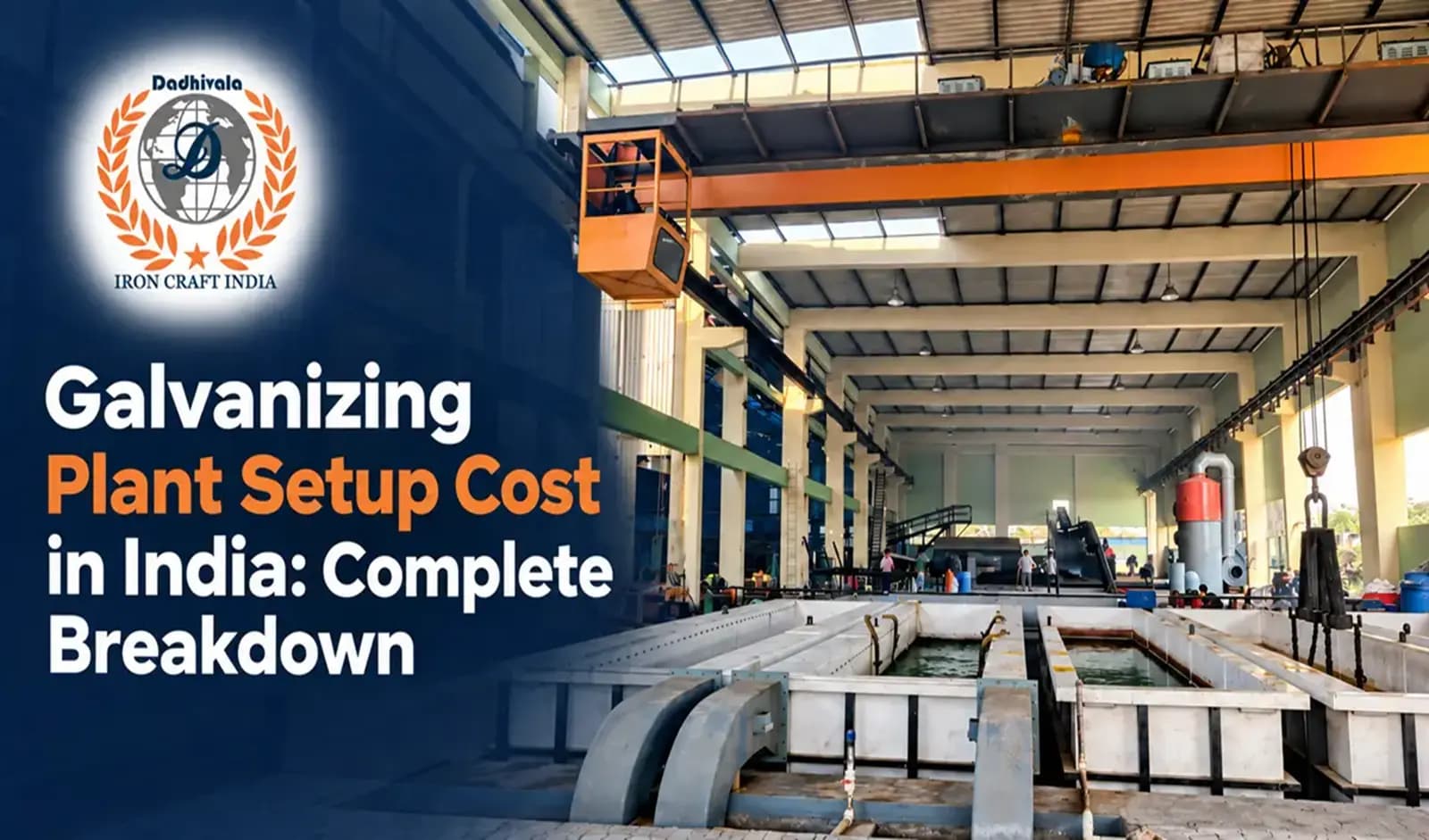
Setting up a hot-dip galvanizing plant in India costs from around ₹2 crore for a micro unit to ₹70 crore or more for a large automated plant. For most MSMEs targeting 5-10 TPD, a realistic all-in investment including land is ₹8–14 crore - and within that, the initial zinc bath charge alone accounts for ₹1.9–3.5 crore.
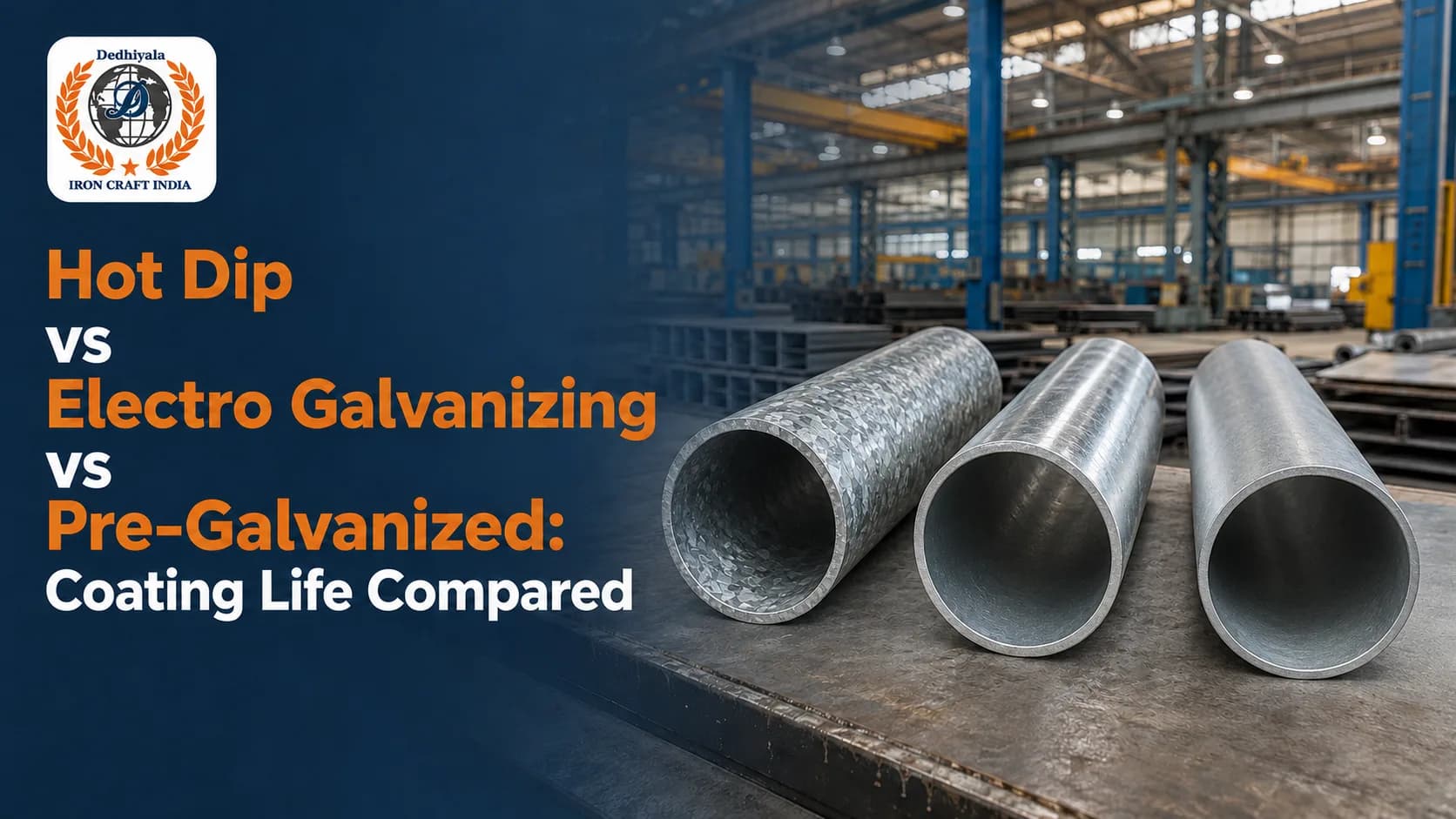
Hot-dip galvanizing (HDG) protects steel for roughly 20-70 years, pre-galvanized (mill-galvanized) sheet for about 10-25 years, and electro-galvanized (EG) steel for only 5-15 years before red rust appears.
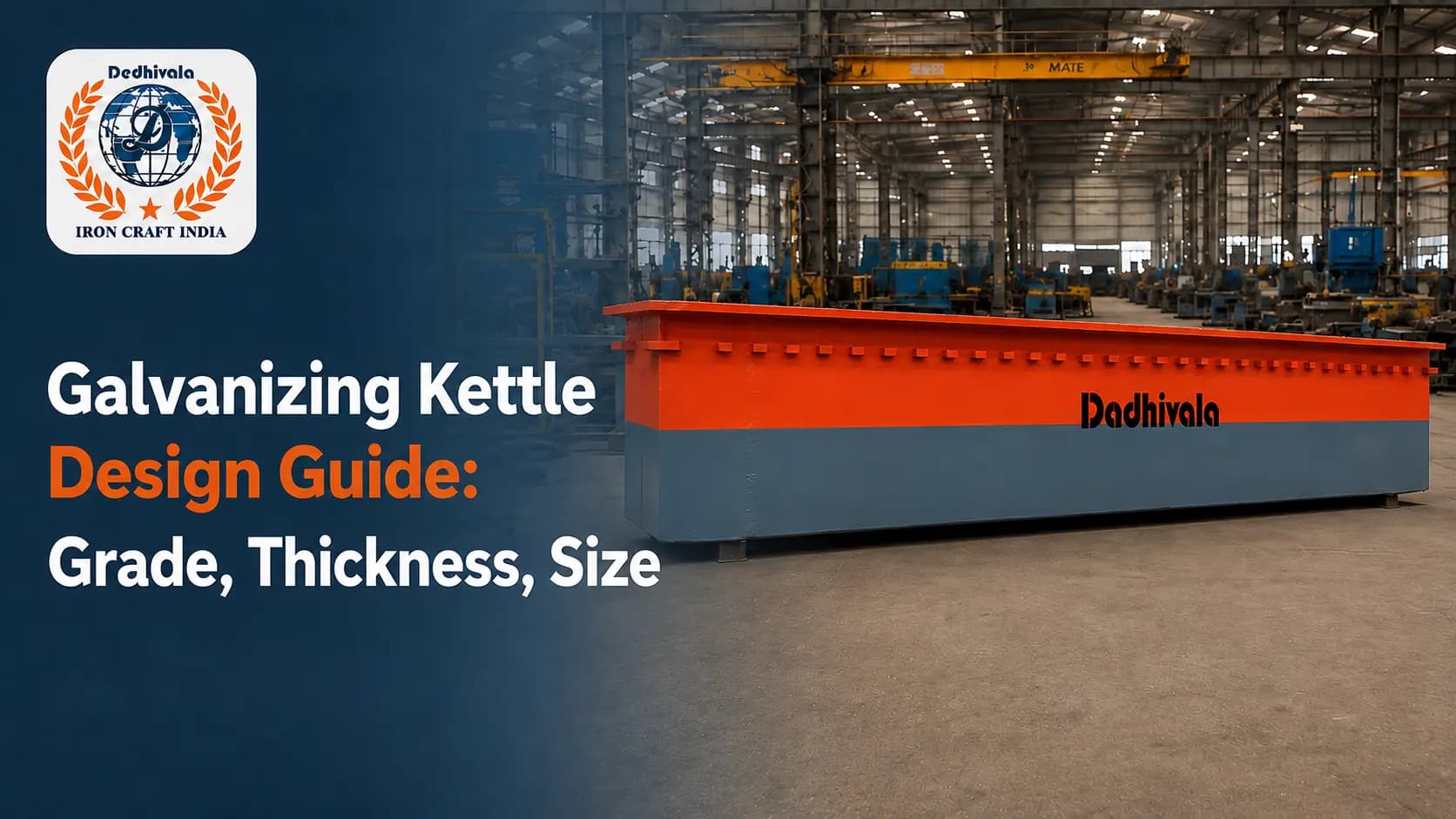
A galvanizing kettle is a welded rectangular tank that holds molten zinc at about 445-465 °C. Good design comes down to three things: the right steel (low-silicon, low-carbon boiler-quality plate), the correct wall thickness (typically 40-60 mm depending on kettle size and heating method), and accurate sizing (internal length × width × depth matched to your longest product plus adequate freeboard). Get these right and a kettle commonly lasts 8-12 years; get them wrong and premature wall erosion or bulging can end its life in a few years.
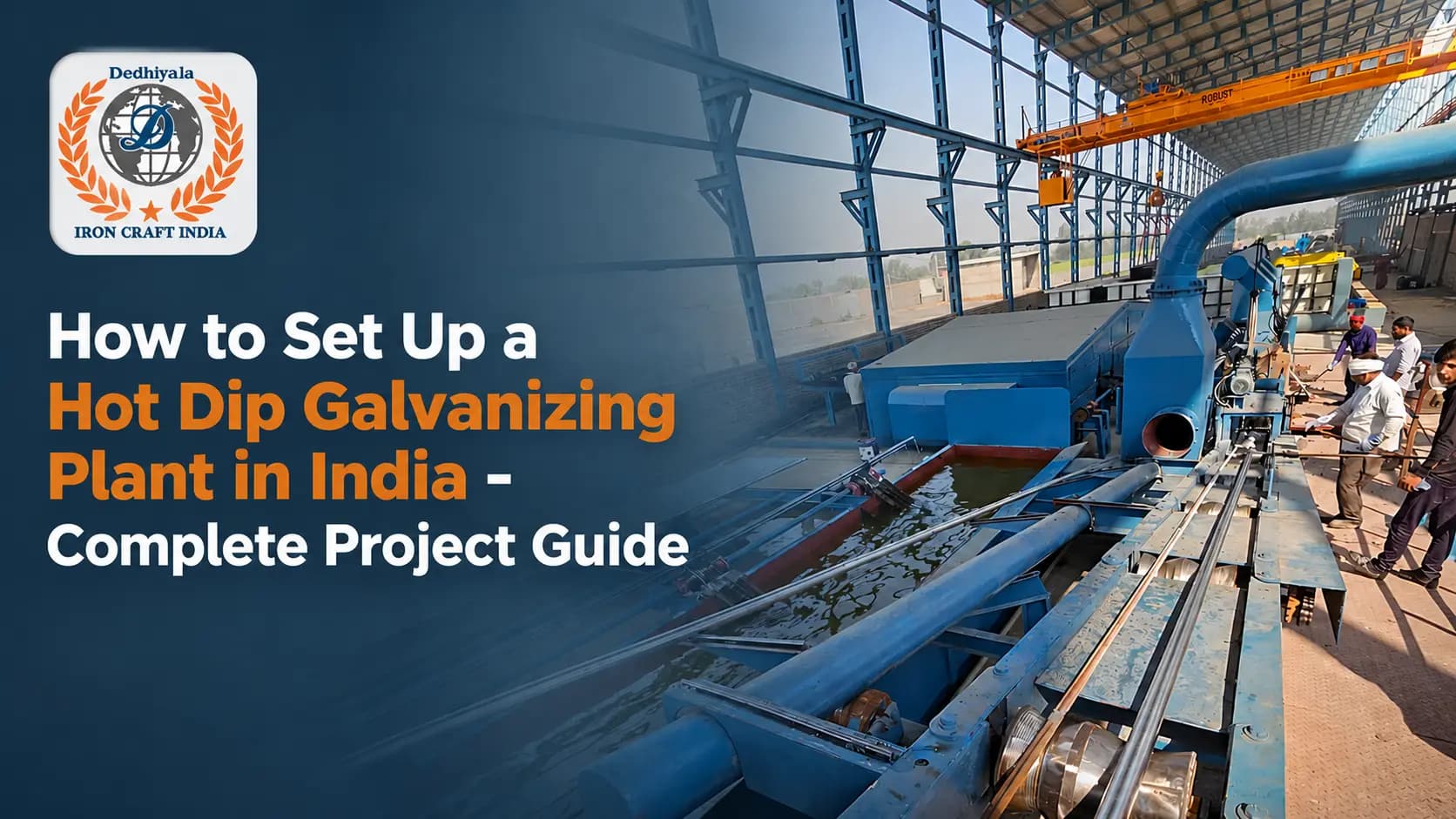
Setting up a hot dip galvanizing plant is not a machinery purchase. It is a process project - and the decisions you take in the first four weeks, long before any steel is cut, will decide your cost per tonne for the next fifteen years.